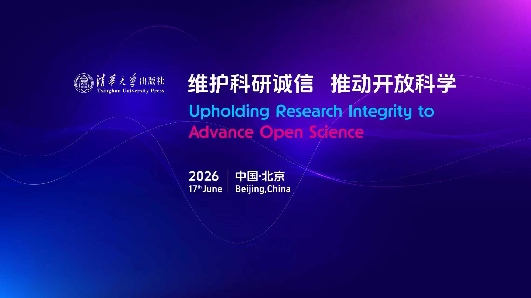
Beijing, June 17--Tsinghua University Press (TUP) convened a roundtable on research integrity and open science at the 32nd Beijing International Book Fair (BIBF), bringing together experts from China and abroad. Six specialists from the International Association of Scientific, Technical & Medical Publishers (STM), Taylor & Francis, Tsinghua University (TU) and Tsexplored the emerging challenges that academic publishers and researchers face in the open science era, along with potential solutions. The session was moderated by Dr. SUN Yu, Associate General Editor of Tsinghua University Press.
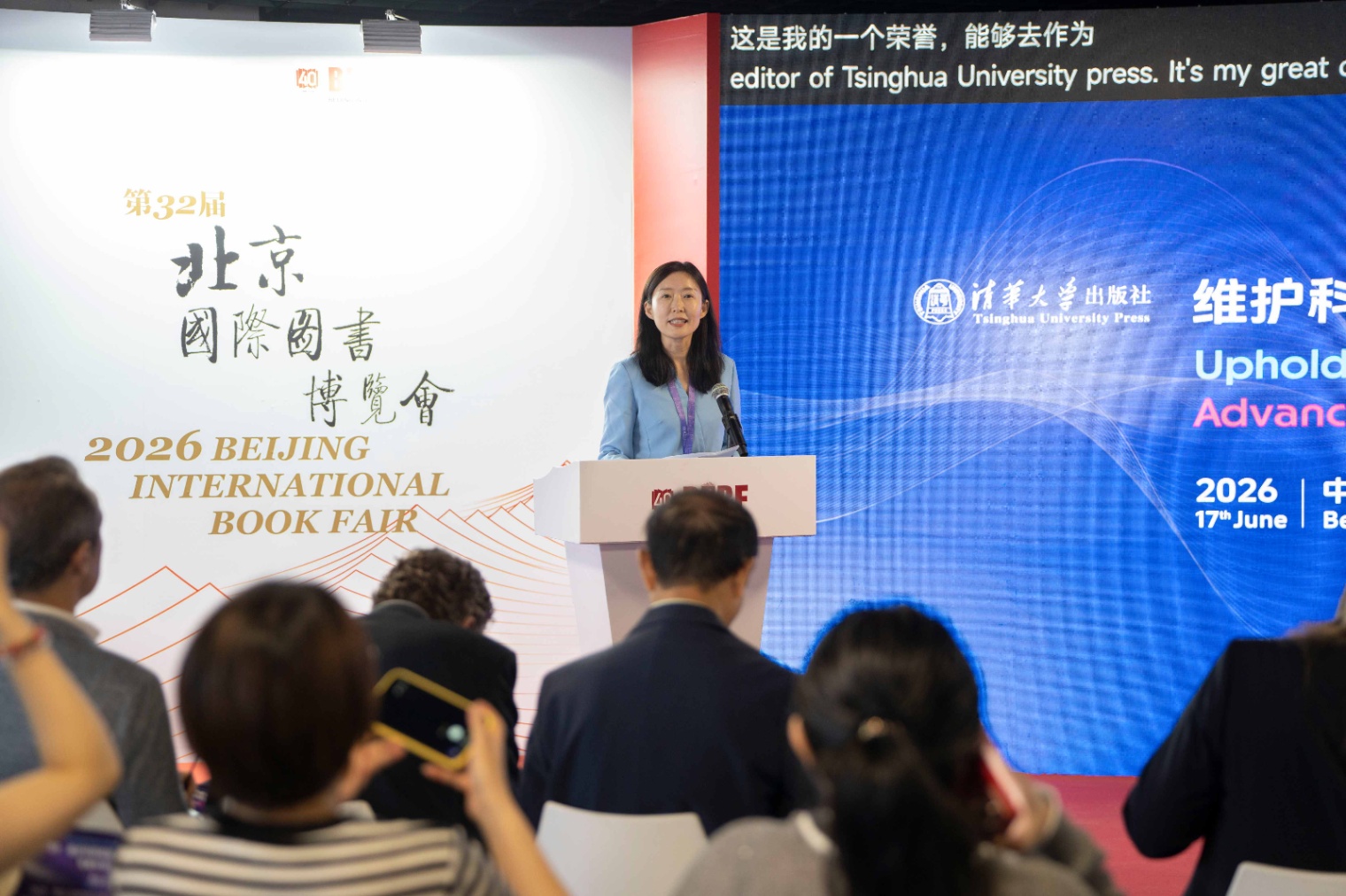
Dr. SUN Yu moderates the roundtable discussion.
In a keynote address titled *Introduction to STM Trends 2030*, Dr. Hylke Koers, Chief Information Officer of STM Solutions, opened the event by using space exploration as a metaphor for humanity's pursuit of knowledge. He elaborated on the emerging trends that are poised to reshape scholarly communication over the next five years, identified major "solar flares" disrupting the current publishing landscape, and warned about the threats of paper mills and continuously rising operational costs. He called for deeper industry-wide cooperation to avert systemic "black hole" risks and steer the field toward "Sagittarius"—the shared goal of advancing knowledge and truth.
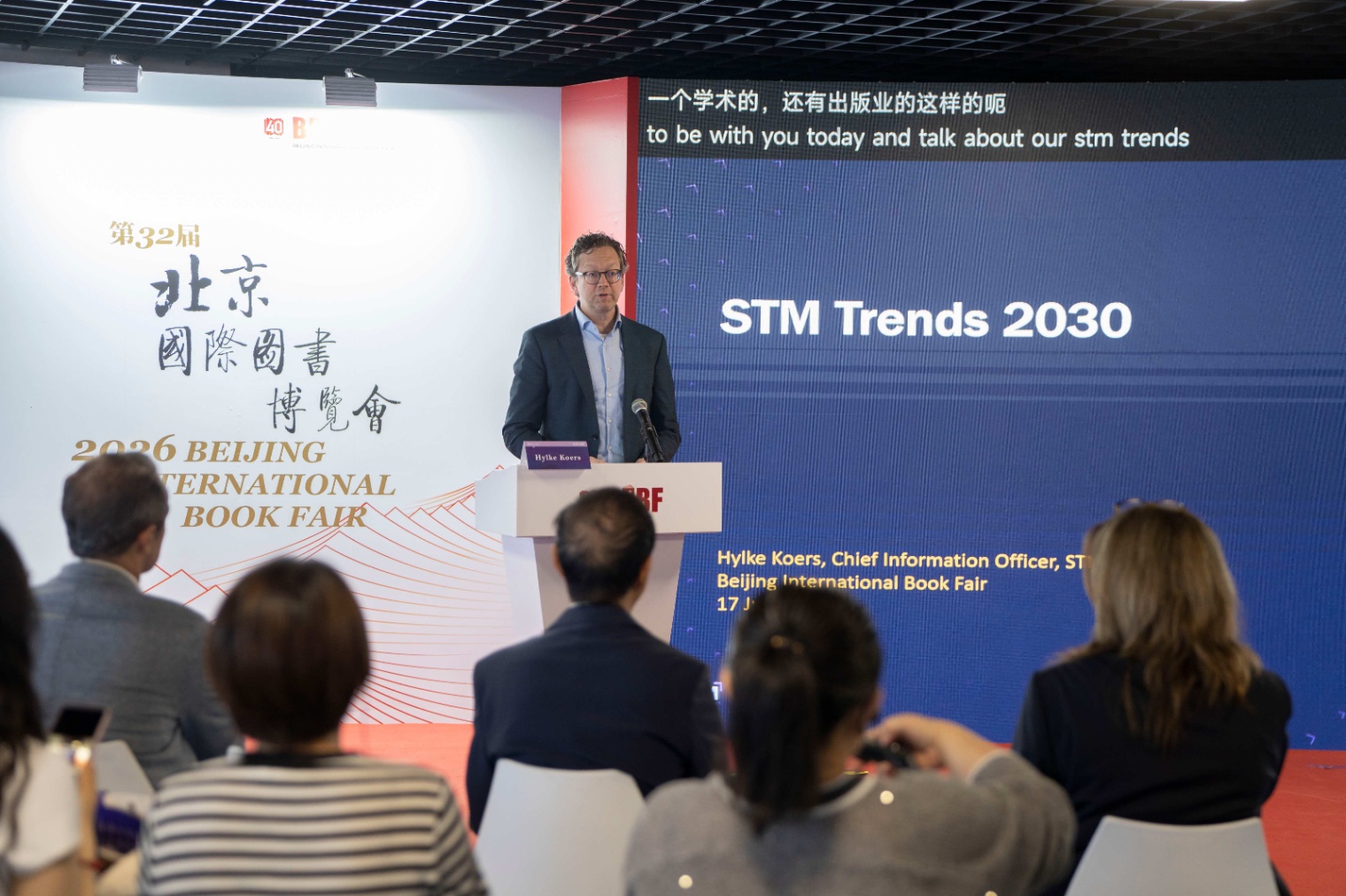
Dr. Hylke Koers opens the event with a keynote titled Introduction to STM Trends 2030.
The roundtable brought together Caroline Sutton, CEO of STM; Hylke Koers, CIO of STM Solutions; Joris van Rossum, Program & Product Director, STM Solutions; Katie Peace, Vice President of Academic Partnerships, Asia at Taylor & Francis; ZHAO Xin, President of Tsinghua University Press; and Dr. WU You, Associate Professor at the School of Healthcare Management, Tsinghua University. The discussion covered a wide range of topics, from open science and research integrity to the challenges posed by generative AI, policy implementation, research evaluation, and cross-border collaboration.
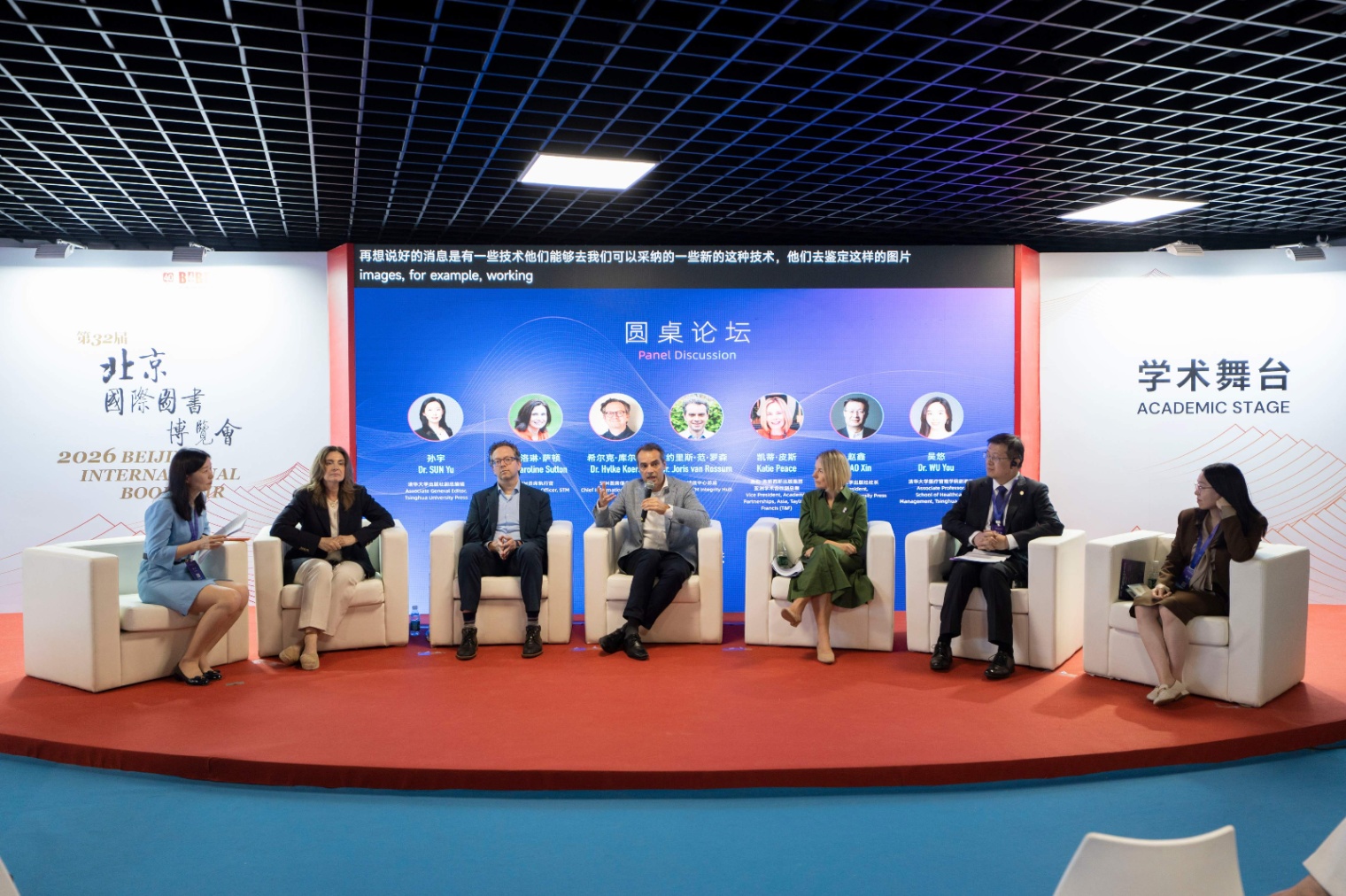
Panelists discuss topics on research integrity and open science.
Experts noted that open data improves verifiability but adds reviewer workload, requiring training, cross-publisher collaboration, and advanced identity/image screening. To counter AI-enabled fraud, they proposed pre-submission screening, greater researcher involvement, and shared risk alerts. Policy-wise, they stressed clear standards, a blend of automation and human oversight, incentive systems (e.g., open-science badges), broader evaluation beyond high-impact journals, and proactive Chinese involvement in global standard-setting to expand their scholarly footprint.
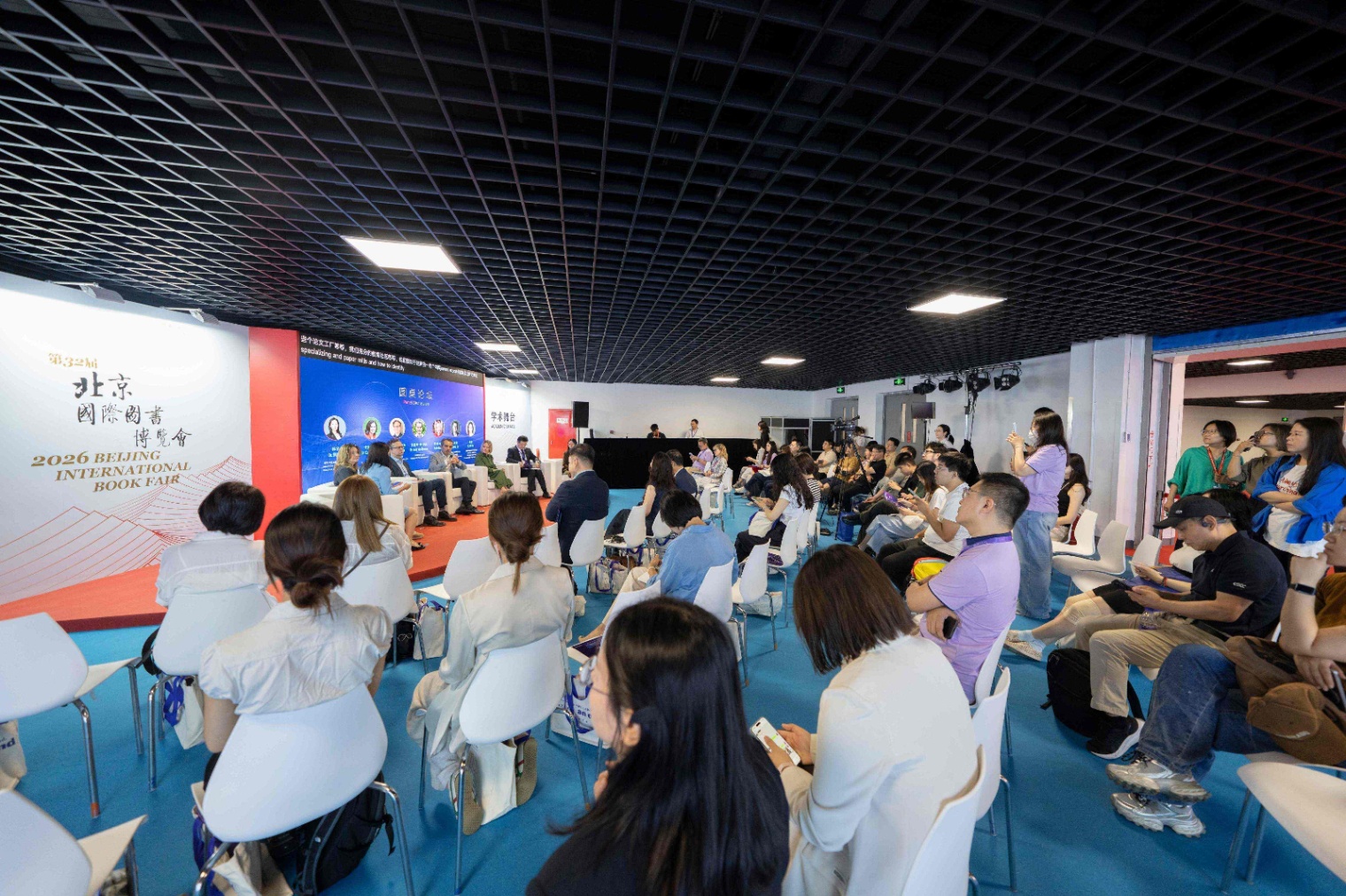
The audience gathers at the Academic Stage of the 32nd BIBF.
In closing, each panelist gave a parting word or phrase: thoughtfulness, the proverb "if you want to go fast, go alone; if you want to go far, go together," trust, collaboration, liangzhi (good knowledge and conscience), and open, reaffirming their shared commitment to research integrity. The event fostered fruitful dialogue on open science, research integrity, technological development, and cross-border cooperation.
Looking ahead, Tsinghua University Press will work with global publishers and researchers to build integrity frameworks across the full research life-cycle, ensuring that open science advances on a solid, sustainable foundation.